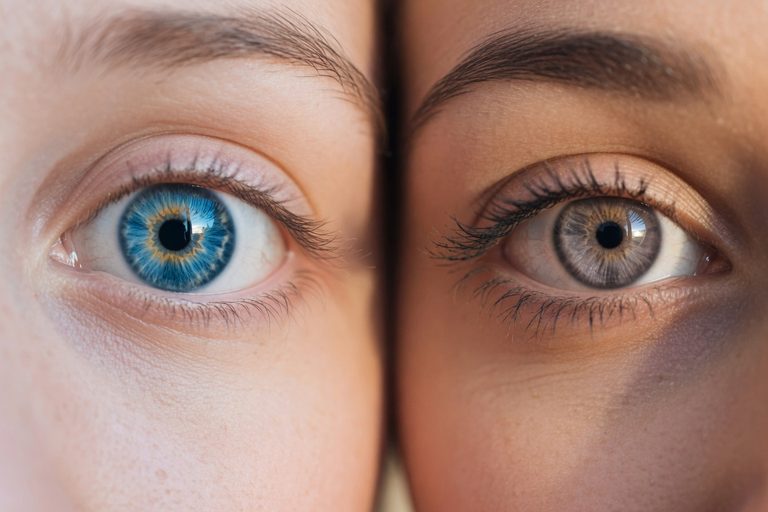
Gray Eyes vs. Blue Eyes: What Makes the Difference
Gray and blue eyes both have very little pigment. The difference is in how the front of the iris scatters light. Here's the science, how rare gray eyes are, and why they…
44 articles
Gray and blue eyes both have very little pigment. The difference is in how the front of the iris scatters light. Here's the science, how rare gray eyes are, and why they…

Freckles come from genes and sunshine together. Why some people get them and others don't, why they fade in winter, how they differ from sun spots and moles, and when to get…
Anesthesiologists have long joked that redheads need more anesthesia. Studies back it up, at least partly. What the research found about redheads, pain and anesthetics, and what it means at the dentist.
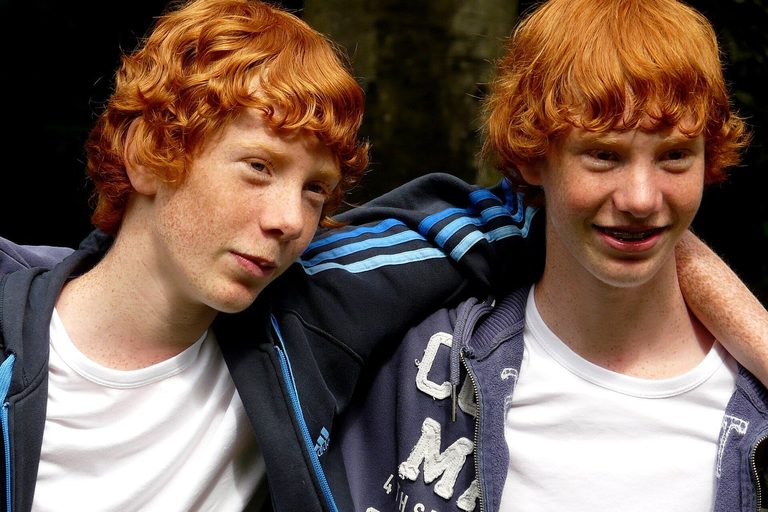
Natural red hair is the rarest hair color in the world. The gene behind it, where redheads are most common, how two brown-haired parents can have a redheaded child, and the myths…
Eight common blood types, ranked by how often they show up in the U.S. population, plus who can give to whom and why O-negative donors are always in demand.
Only a few dozen people on Earth have been reported to have Rh-null blood, nicknamed golden blood. What it is, why it's so valuable, the health challenges, and how it was discovered.
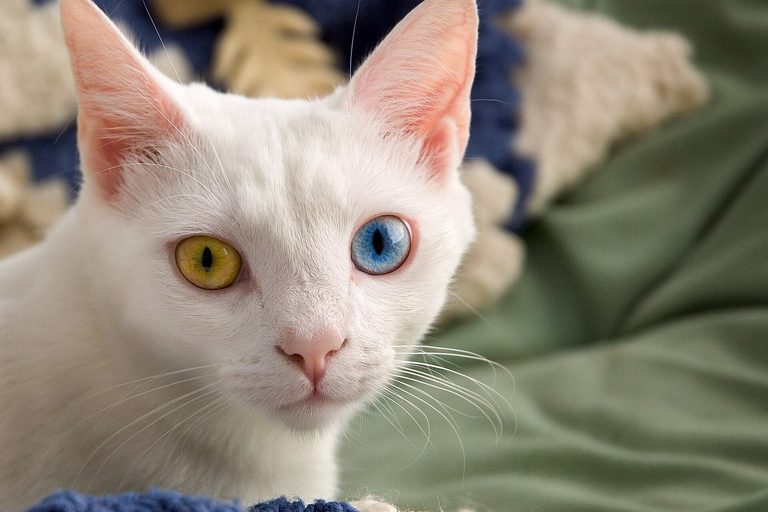
One blue eye and one brown, or a splash of a second color in one iris. The three types of heterochromia, what causes them, how rare it is, and why it's common…
About 1 in 10 people is left-handed. What the largest study ever found, why the number changes by country and era, and the myths and facts about lefties.