Do Redheads Feel Pain Differently? What Studies Found
Anesthesiologists have long joked that redheads need more anesthesia. Studies back it up, at least partly. What the research found about redheads, pain and anesthetics, and what it means at the dentist.
There's an old saying among anesthesiologists and dentists: redheads are harder to put under and harder to numb. For years it was just a hunch. Then researchers started testing it, and the studies found something real, though it's more complicated than "redheads feel more pain."
The 2004 anesthesia study
In 2004, researchers at the University of Louisville and other centers, led by Dr. Edwin Liem, published a study in the journal Anesthesiology. They compared women with natural red hair to women with dark hair and measured how much of the anesthetic gas desflurane it took to keep them from moving in response to a painful electrical stimulus.
The result: the redheaded women needed about 19 percent more desflurane.
Most of the redheads in the study carried variants of the MC1R gene, the main gene behind red hair. See red hair facts.
The 2005 pain and lidocaine study
A year later, the same research group published a second study. They found that redheads were:
- More sensitive to thermal pain (cold and heat) in their tests.
- Less responsive to lidocaine injected under the skin, the kind of numbing shot used by dentists and doctors.
That second finding is why some redheads say dental work never seems to go fully numb.
Not so simple
Other research has found mixed results:
- Some studies found redheads may be less sensitive to some kinds of pain or respond more strongly to certain pain medicines.
- A 2021 study in mice, published in Science Advances, found that the MC1R variant raised pain tolerance through the body's opioid system in those animals.
- Not every study has found that redheads need more anesthesia during surgery.
So the honest summary is: the MC1R gene seems to affect how the body handles some kinds of pain and some drugs, but it isn't a simple "more pain" or "less pain" story.
What it means in real life
- Tell your dentist or doctor if you've had trouble getting numb in the past. That's useful information for anyone, redheaded or not.
- Anesthesia teams adjust doses based on how each patient responds, and they monitor patients closely. Being a redhead doesn't make anesthesia unsafe.
- Dental anxiety is real. Some studies have found redheads report more anxiety about dental visits, possibly because of past experiences with numbing that didn't work well.
Why the gene matters
The MC1R receptor isn't just in hair and skin cells. It's connected to pathways in the body that relate to pain and the brain's own pain-relief chemicals. That's why scientists think a hair-color gene can also affect pain.
The bottom line
Redheads aren't imagining it: studies have found real differences in how some of them respond to anesthesia and numbing shots. But the research is still being worked out, and it varies from person to person. If you're a redhead with a history of tough-to-numb dental visits, speak up before the needle.
This article is for general information, not medical advice. Talk to your doctor or dentist about your own care.
Sources (2)
Liem et al., "Anesthetic requirement is increased in redheads," Anesthesiology, 2004 (PubMed); Liem et al., "Increased sensitivity to thermal pain and reduced subcutaneous lidocaine efficacy in redheads," Anesthesiology, 2005 (PubMed).
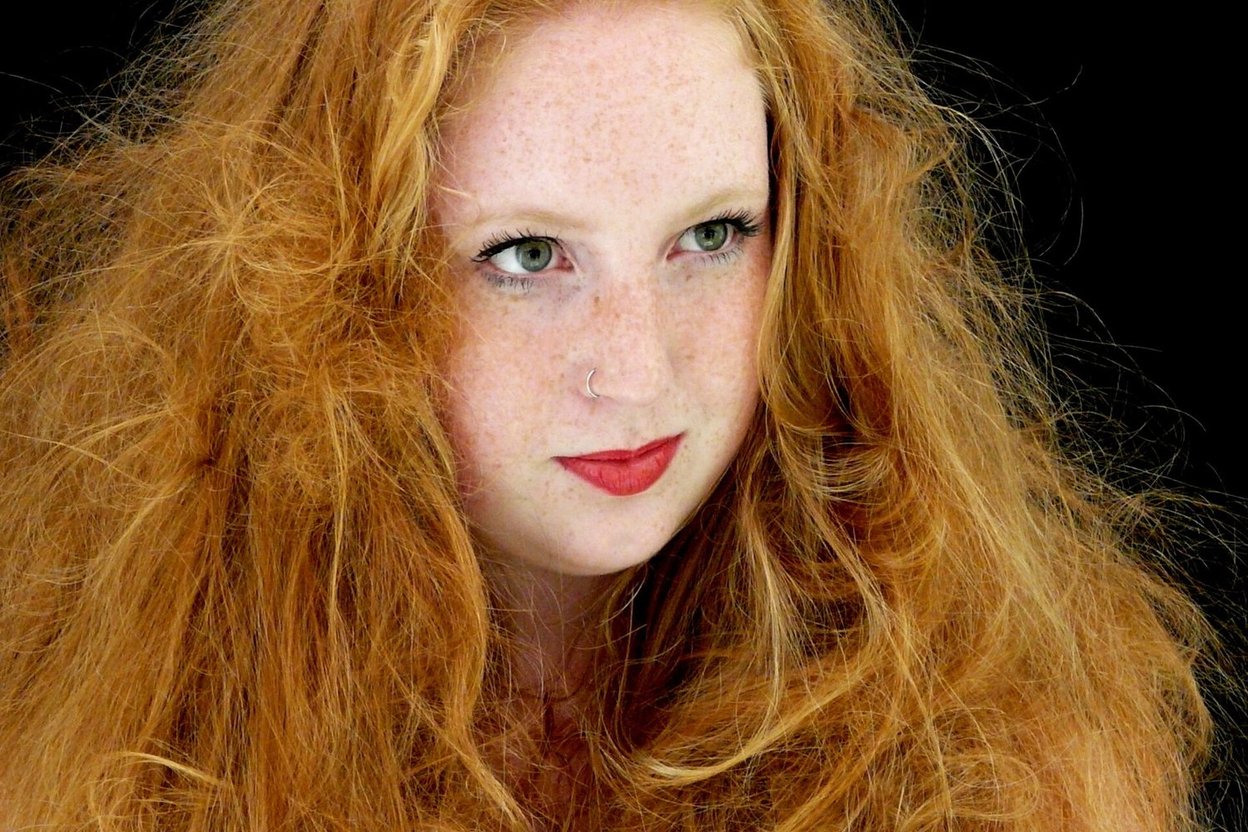
Photo: Wild & red hair day by Eddy Van 3000, CC BY-SA 2.0.