Rare & Remarkable Human Traits
Hazel Eyes: What Color Are They, Really?
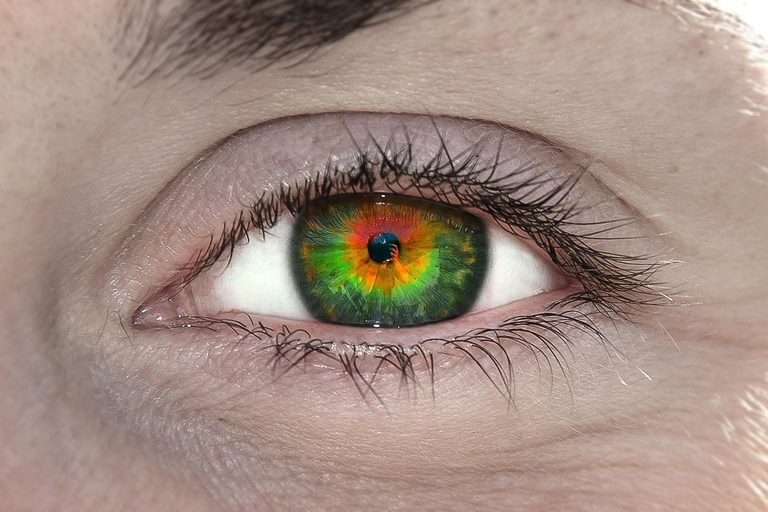
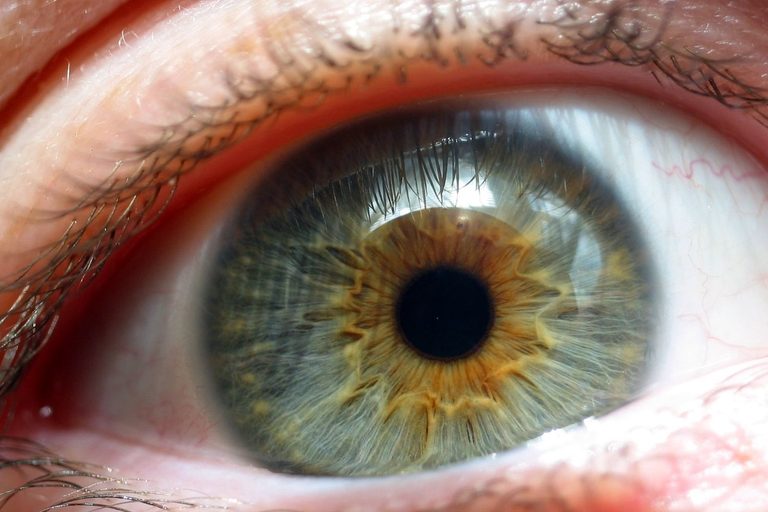
Hazel eyes blend brown, gold, and green. Learn why they seem to change color, how rare they are, and the genetics behind them.
44 articles
Hazel eyes blend brown, gold, and green. Learn why they seem to change color, how rare they are, and the genetics behind them.
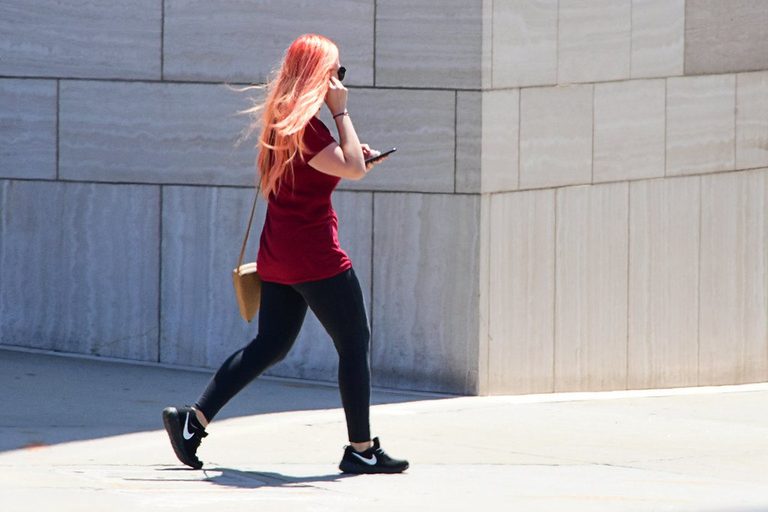
Natural blond hair is rarer than most people think. Here's what the estimates show, why counts vary, and what genes make hair blond.
Strawberry blonde is uncommon, but no published study counts it on its own. Here's the closest red-hair data and why exact figures are hard.
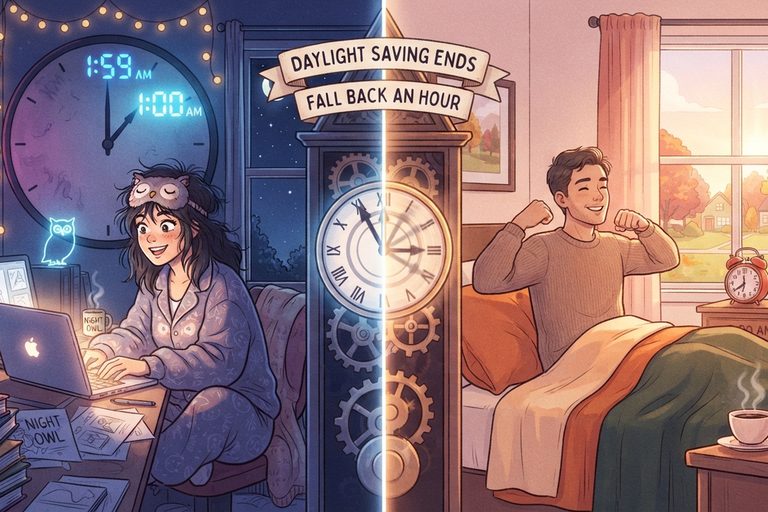
Clocks fall back on November 1, 2026 because federal law sets the DST schedule. Here's how that rule began and where the repeal bill stands.
Is photographic memory real? Learn what science says about eidetic imagery, the famous Elizabeth case, and people with extraordinary memories.
Why night owls and morning people feel the November clock change differently—with the genetics and expert tips to adjust.
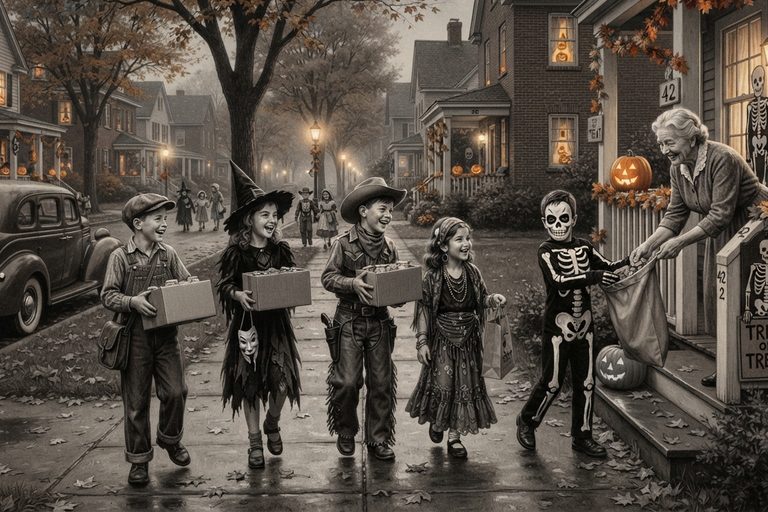
Learn the surprising origins of trick-or-treating, from Celtic Samhain and medieval mumming through sugar rationing to today's $13.5 billion holiday tradition.
What a 100-mile run does to muscles, kidneys, energy and sleep, using measured ultramarathon studies and noting where the evidence is thin.
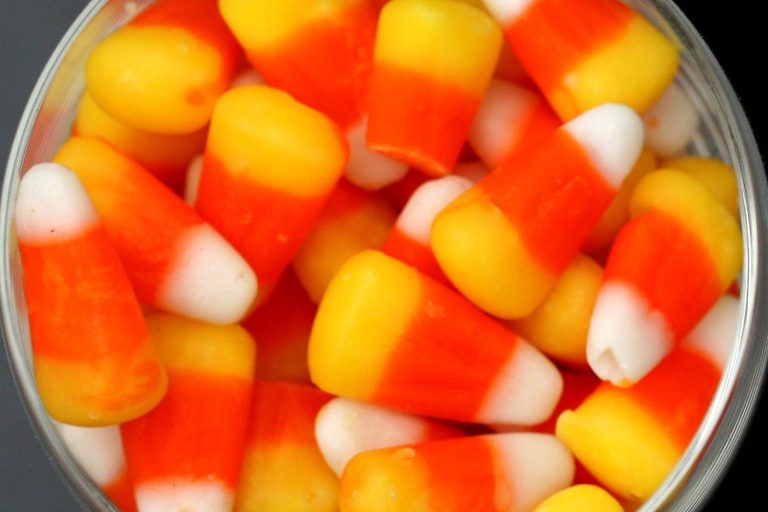
Candy corn is America's most divisive Halloween candy. Find out what the polls really say and why people either love or hate it.
Some women may carry a fourth color cone, but the 100 million colors figure is an estimate. Here's what studies have and haven't shown.
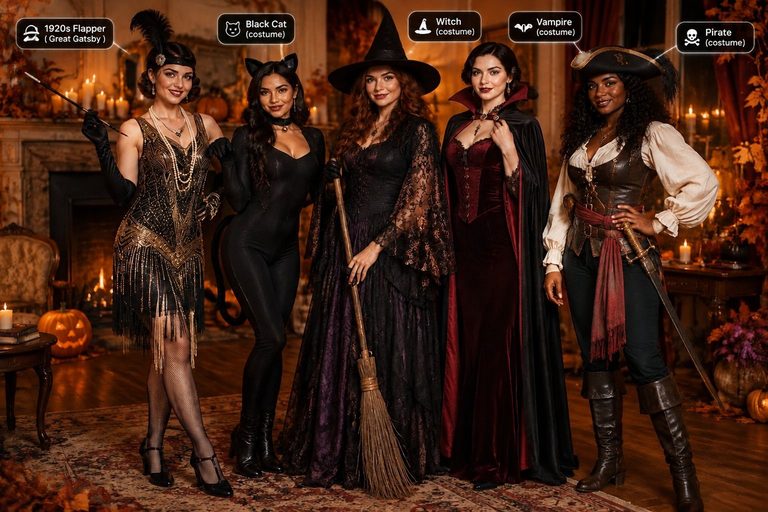
Many people use AI for Halloween shopping and brainstorming, but fewer name it as a costume inspiration source. Here's what the surveys show.
Halloween stays on Oct. 31, but its weekday shifts. Find out when it next falls on a Saturday (2037) and why the gaps vary.