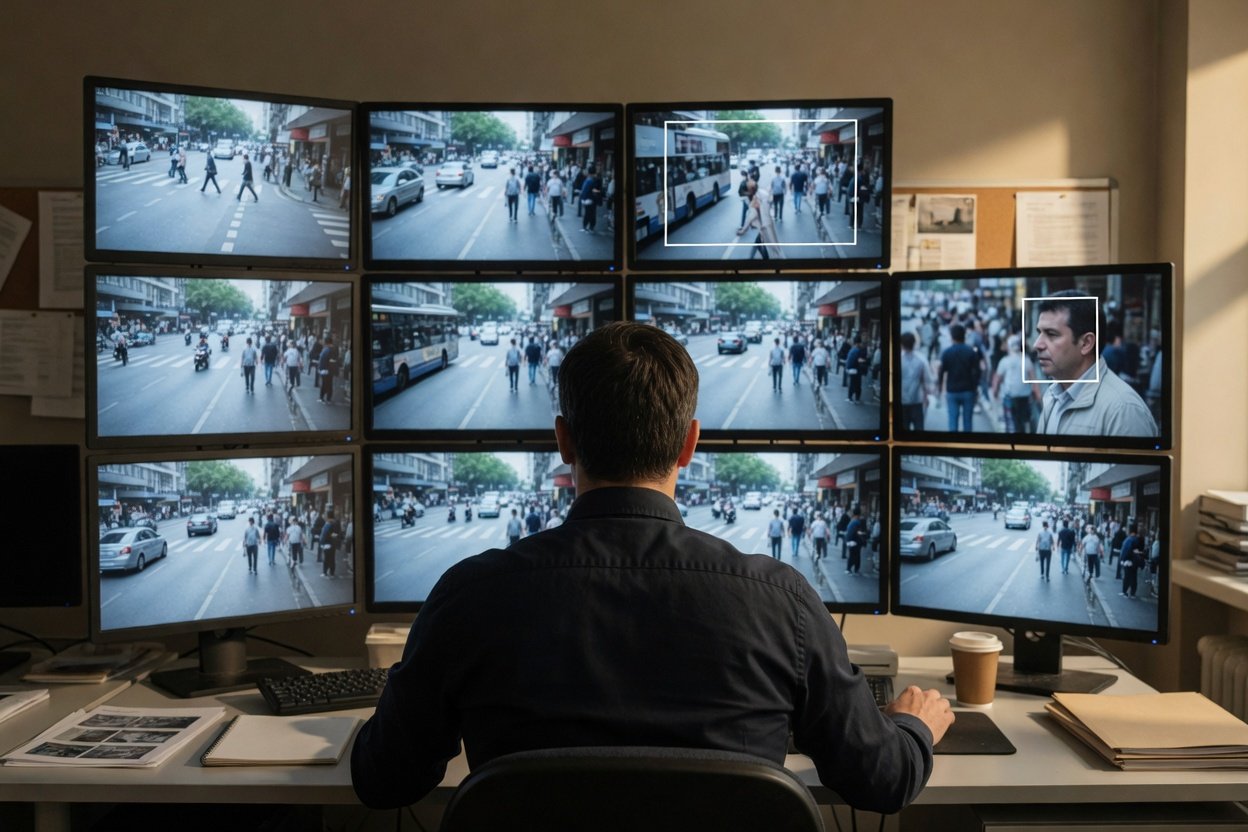
Super-Recognizers: People Who Never Forget a Face
Super-recognizers can pick a face out of a crowd years after a glance. The term dates to a 2009 study, and London police built a unit around them. How rare it is, how it's tested, and what it's like to have it.
Most of us have had it happen: someone says hi at the grocery store, and you have no idea who they are. Super-recognizers have the opposite problem. They recognize the cashier from a store across town five years ago, the extra in the background of a movie, and the stranger who sat two rows behind them at a concert.
Where the name came from
In 2009, researchers Richard Russell, Brad Duchaine and Ken Nakayama published a study called "Super-recognizers: People with extraordinary face recognition ability." They had been studying face blindness (prosopagnosia), people who struggle to recognize faces at all. Along the way they found people at the other end of the scale, and they gave them a name.
How rare is it?
Estimates usually put super-recognizers at around 1 to 2% of people, depending on where you draw the line. One commonly cited figure: super-recognizers may remember around 80% of faces they've seen, compared with about 20% for the average person.
Face recognition ability seems to be highly heritable: it runs in families, though the genes involved aren't well understood.
How it's tested
Researchers use tests like:
- The Cambridge Face Memory Test: learn some faces, then pick them out later from new photos with different lighting and angles.
- Face matching tests, like the Glasgow Face Matching Test: decide whether two photos show the same person.
- Famous faces before they were famous: identify celebrities from childhood photos.
Online versions of some of these tests exist if you want to try. A high score online is a fun hint, not a diagnosis.
Super-recognizers at Scotland Yard
London's Metropolitan Police noticed some officers were unusually good at spotting suspects on CCTV footage. By 2013, Scotland Yard had a group of more than 200 officers it considered super-recognizers, and in 2015 it set up a dedicated unit.
In the 2018 investigation into the poisoning of Sergei and Yulia Skripal in Salisbury, England, super-recognizers reportedly went through up to 5,000 hours of CCTV footage to help identify the suspects.
What it's like
People who have it often say:
- They recognize people who don't recognize them, and learn to pretend they don't to avoid awkward moments.
- They spot actors across movies and shows instantly, even under makeup.
- Faces "stick" whether they want them to or not.
- They're not necessarily better at remembering names.
Not a superpower in court
Researchers also warn that super-recognizers still make mistakes. Their identifications are evidence to check, not proof on their own.