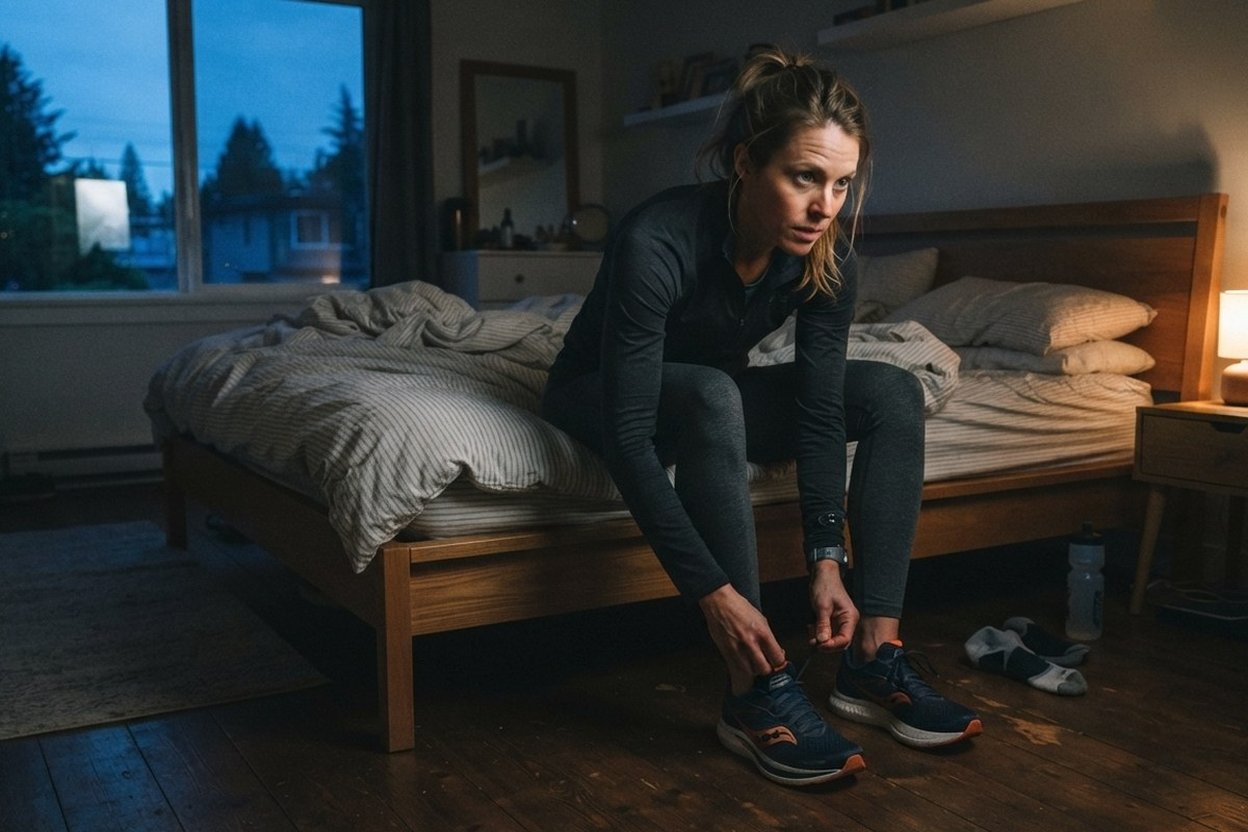
Short Sleepers: People Who Need Only 4 to 6 Hours
A rare few people wake up fully rested after 4 to 6 hours, every night, for life. Scientists have found the genes behind it. Here's what they found, and why the rest of us can't train ourselves into it.
Most adults need seven to nine hours of sleep. A very small number of people need far less, and they aren't tired, cranky, or running on coffee. They go to bed late, wake up early, and feel great. Researchers call it familial natural short sleep.
How little do they sleep?
Natural short sleepers typically sleep about 4 to 6 hours a night and feel fully rested. It isn't something they learned. Most say they've been this way since childhood, and it tends to run in families.
The genes behind it
Most of what we know comes from Dr. Ying-Hui Fu and Dr. Louis Ptáček at the University of California, San Francisco, who have studied short-sleeper families for years.
- 2009: DEC2. Fu's team found a mutation in a gene called DEC2. People who carried it averaged 6.25 hours of sleep a night; family members without it averaged 8.06 hours.
- 2019: ADRB1. After a 10-year search, the team found a second gene in a three-generation family of short sleepers who didn't have the DEC2 mutation.
- 2019: NPSR1. A father and son who average about 5.5 and 4.3 hours shared a rare mutation in this gene. In mice, it seemed to protect against the memory problems that usually come with too little sleep.
- Later: GRM1 and others. Researchers have now linked natural short sleep to rare changes in at least five genes.
What short sleepers tend to be like
Researchers describe them as energetic, upbeat and good at handling stress, with no signs of the health problems that come with chronic sleep loss. That's the puzzle the scientists want to crack: their bodies seem to get the same benefits from sleep in less time.
Can you train yourself to be one?
No. This is the most important part. Dr. Fu has warned that most people are already chronically sleep deprived, and that has real long-term costs: higher risk of heart disease, cancer, dementia, metabolic problems and a weaker immune system.
If you need 8 hours and you sleep 5, you aren't a short sleeper. You're short on sleep. The real short sleepers don't need an alarm clock, don't sleep in on weekends, and don't crash in the afternoon.
A fall reminder
Daylight saving time ends Sunday, November 1, 2026. You get an extra hour that night. For most of us, that's a good night to actually use it.
Related
- Hyperthymesia: people who remember every day
- Aphantasia: people who can't picture things
- Super-recognizers: people who never forget a face
This article is for general information, not medical advice.