Why Do Some People Get Chapped Lips in Winter?
Why winter dries and cracks lips, why some people are hit harder, and which habits and products help lips heal and stay protected.
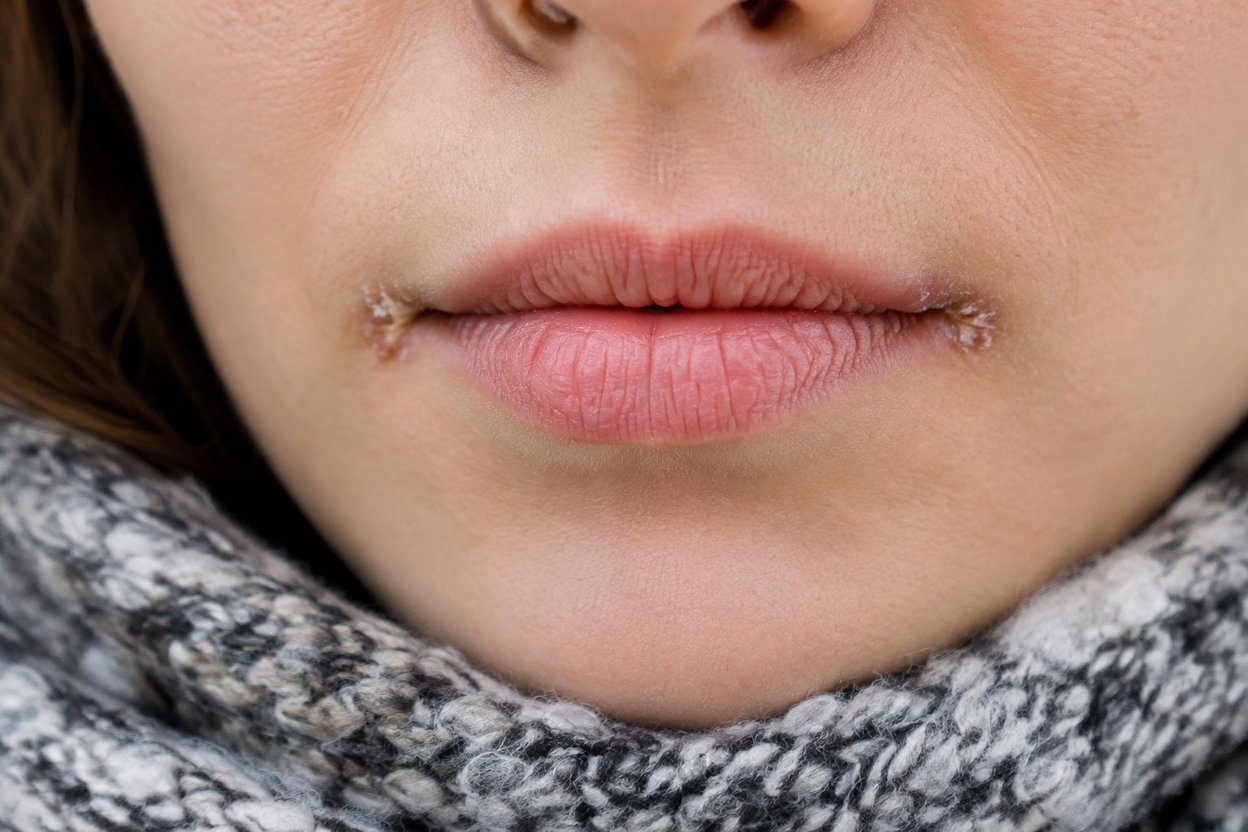
The first cold snap of fall arrives, and within a day or two your lips feel tight. Soon they're flaking at the edges, and by Halloween there's a sore crack in one corner. Winter chaps lips because cold, dry air and wind draw moisture out of them, and heated indoor air keeps drying them out after you come inside. Lip skin is thin and has no oil glands, so it has very little defense. Some people get it worse because of habits, dry skin or a lip product that makes the problem worse.
Why winter dries out lips
Winter dries skin from two directions. Outdoors, cold air holds little moisture, and wind speeds up the drying. Cold, dry air and wind are among the most common causes of chapped lips, according to Cleveland Clinic. Indoors, furnaces and space heaters warm the air without adding moisture to it. The American Academy of Dermatology lists indoor heating as a reason skin loses moisture in winter. Lips get both kinds of exposure all day.
Lips also start out weaker than the skin around them. Their skin is thin, and unlike most of the face, lips have no oil glands. Oil normally helps hold water in the skin, so without it lips depend on outside protection. Ohio State's Wexner Medical Center describes this as the reason lips dry and crack so easily.
Chapping is what happens when that dryness goes on for a while. It usually starts with lips that feel tight or sore. If the dryness continues, the skin can scale, peel and eventually crack, and the cracks can leave the lips inflamed and painful.
Why some people get it worse
Everyone faces the same winter air, but people react to it differently. Exposure is the most obvious difference. Someone who walks a dog at dawn or works outside will have more wind on their lips than someone who drives from one garage to another.
Skin type also plays a part. Cleveland Clinic notes that people with dry skin in general are more likely to get chapped lips, and so are people who lick their lips often. That second habit matters more than most people think (see the next section). Some people react to the products they use. A balm, lipstick or even a toothpaste can irritate lips, and the American Academy of Dermatology names product reactions alongside cold weather and sun as causes of chapping.
Winter isn't the only cause, either. Lips can chap in any season. Winter simply brings several triggers together.
Dehydration can also be part of the problem, according to Cleveland Clinic. That doesn't mean every pair of chapped lips needs more water. Often the cause is outside the body.
The licking-and-irritation cycle
When lips feel dry, the natural move is to wet them with your tongue. It brings relief for a moment, but the relief doesn't last. Saliva evaporates quickly, and as it goes it takes more moisture from the lips, leaving them drier than before. Drier lips lead to more licking, and the cycle keeps going.
Saliva also contains digestive enzymes, which start breaking down food before you swallow it. On thin, already damaged lip skin, those enzymes can add irritation.
Picking and biting cause similar trouble. Pulling at a loose flake makes lips look smoother for a moment, but it can tear the skin underneath. Dermatologists say picking or biting peeling lips makes irritation worse and slows healing.
Products can make the cycle worse too. Some balms are designed to tingle, and people often take the tingle as a sign the balm is working. The AAD's advice is the opposite: if a lip product burns, stings or tingles, stop using it. On chapped skin, that feeling is a sign of irritation.
What helps lips heal
Dermatologists recommend a simple routine. Use a bland, nonirritating lip moisturizer throughout the day and put on another layer before bed. Both the AAD and Ohio State give this advice. The application at night matters because a coating stays on undisturbed for hours while you sleep.
Plain white petroleum jelly is one of the simplest choices. It doesn't add much water to the lips. Instead, it seals in the moisture already in the skin and keeps dry air from pulling it out. It works like a lid on a pot, keeping in what's already there.
Ingredients matter more than brand. These can irritate chapped lips:
- Fragrance
- Flavorings, including the mint and fruit flavors common in lip balms
- Menthol
- Camphor
All four appear on the AAD and Ohio State lists of potential irritants. They're often the ingredients that produce the cooling tingle, which is one more reason that feeling isn't a good sign. Advice on waxes is mixed: MedlinePlus lists beeswax as an option, while Cleveland Clinic suggests avoiding waxes. Plain petroleum jelly avoids the question entirely.
Skip lip scrubs while lips are chapped. Rubbing away flakes seems like a fix, but Ohio State warns that scrubs can aggravate already delicate skin. The flakes come off on their own as the skin underneath heals.
How to prevent the next winter flare
Healing lips is one step, and keeping them from chapping again is the next. Timing matters. Put on lip protection before you go outside, not after the wind has already dried them. On cold, windy days, a scarf pulled over your mouth blocks some of the wind.
Indoors, a humidifier puts back moisture that heating takes out of the air, which helps limit water loss from lips and skin. Running one in the bedroom covers the long stretch of hours you spend asleep. Drinking enough fluids helps too, though as noted above, it's only one part of prevention.
Sun is easy to forget in winter, but it affects lips year-round. The AAD recommends a lip balm with SPF 30 or higher whenever you're outdoors, winter included. While you're outside, reapply about every two hours. That's worth keeping in mind for a sunny ski trip, or for a long afternoon outdoors over the Thanksgiving weekend.
When it needs medical attention
Most winter chapping gets better with the routine above. But dry, peeling lips aren't always caused by the weather. Allergies, infections and other conditions can look a lot like ordinary chapping, and a lip balm won't fix them.
The AAD suggests seeing a dermatologist if your lips haven't healed after two to three weeks of careful self-care, meaning bland products and no licking or picking. That's a point to check in with a doctor, not a guaranteed healing time. Some lips recover sooner, and some cases are more stubborn.
A few signs are worth having checked rather than treating them as winter chapping all season:
- A sore on the lip that doesn't heal, which MedlinePlus says should be looked at by a provider
- Lips that stay inflamed and sore for a long time despite good care, which Ohio State also flags
For most people, though, winter chapping comes down to what's described above: thin lip skin with no oil glands, dry air outside and in, and habits that make it worse. Seal in moisture, avoid the irritants and stop the licking cycle, and most lips recover.