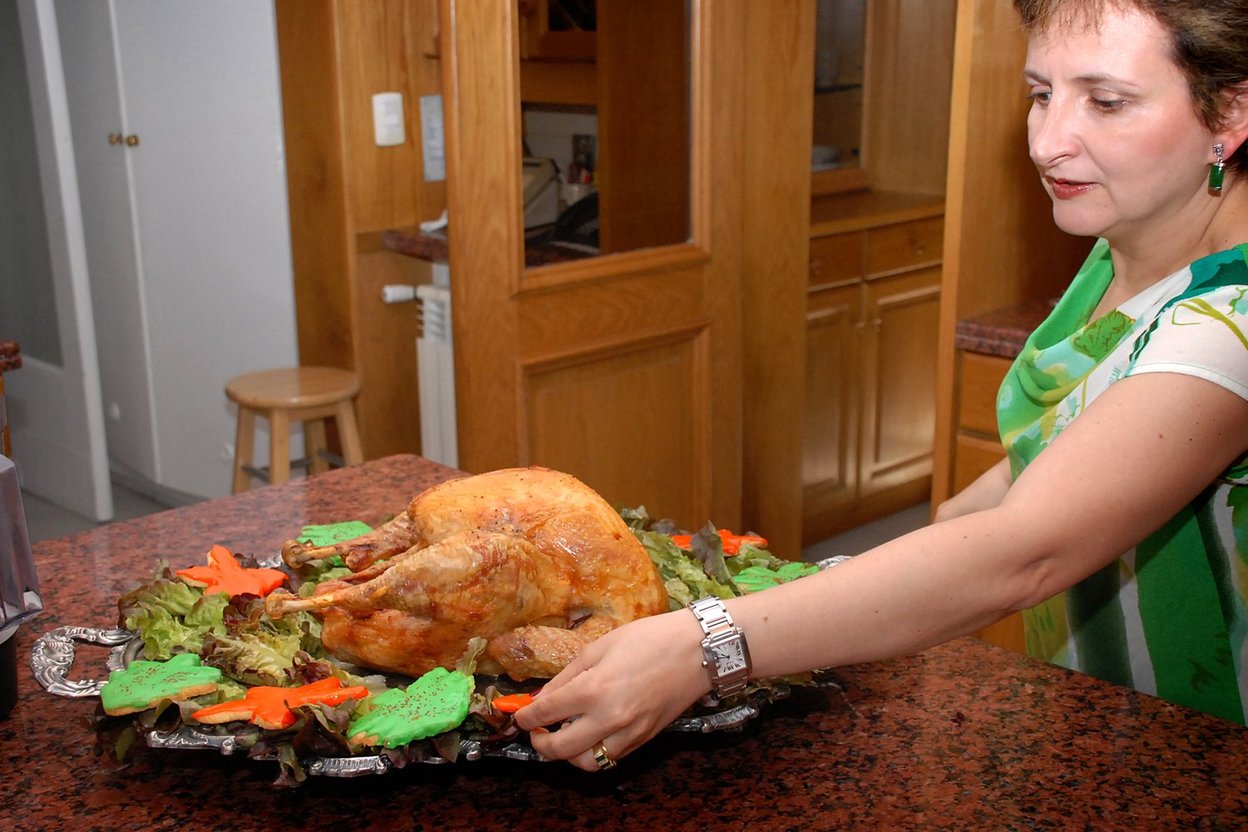
The Turkey Nap Myth: What Really Makes You Sleepy After Thanksgiving
Debunk the turkey myth and discover what really makes you drowsy after Thanksgiving dinner.
The plates are cleared, the game is on, and within twenty minutes half the room is slumped on the couch. Someone always says it: "It's the tryptophan in the turkey." Mostly, that isn't true. Turkey does contain tryptophan, but not an unusual amount, and the way it reaches the brain makes a turkey-driven nap unlikely. The more probable culprit is everything else on the table, plus the size of the meal and the day leading up to it.
The short answer
Mostly no. The Sleep Foundation says tryptophan "isn't likely to cause a person to need an immediate nap," whatever the Thanksgiving lore says. Cleveland Clinic dietitian Julia Zumpano puts it more gently: you might feel mildly tired after eating turkey, but that is far from the whole story.
There are two problems with blaming the bird. First, turkey has about as much tryptophan as other common protein foods. Chicken, fish, eggs, milk and cheese are all on the list too, and nobody blames a grilled chicken sandwich for an afternoon nap. Second, tryptophan from a mixed meal doesn't simply flow into the brain. It has to compete with other amino acids, and a high-protein food like turkey supplies plenty of competitors.
What's left is the meal itself: a very large plate of food, a lot of starch and fat, often a few drinks, and usually a long day of cooking or travel. To see why the turkey story caught on anyway, start with what tryptophan actually does.
Where the myth comes from
The myth sticks because part of it is true. Tryptophan is a real amino acid. The body can't make it, so it has to come from food. Once absorbed, it is used to build serotonin, a brain chemical tied to mood and sleep, and serotonin in turn is used to make melatonin, the hormone that helps time the sleep cycle. According to the Sleep Foundation, those chemicals do support sleep.
So the chain sounds airtight: turkey has tryptophan, tryptophan becomes melatonin, melatonin makes you sleepy, so turkey makes you sleepy. Each link sounds reasonable on its own, and Thanksgiving gives you a yearly demonstration of a room full of drowsy people with turkey on their plates.
The chain breaks in two places. The Sleep Foundation notes that serotonin and melatonin support nighttime sleep, as part of the body's regular sleep-wake rhythm. They don't cause a sudden mid-afternoon crash. And for the chain to work at all, a meaningful amount of tryptophan has to reach the brain. That depends on how much is in the food and on what else you eat with it. Both work against turkey.
How much tryptophan is in turkey, really?
According to Cleveland Clinic, a 3-ounce serving of turkey, about the size of a deck of cards, contains roughly 250 to 300 milligrams of tryptophan. That's a real amount, but it isn't special.
A Scientific American blog post on the myth called turkey "quite an average food" for tryptophan, at about 509 milligrams per 200-calorie serving. Cleveland Clinic's list of tryptophan sources includes milk, egg whites, chicken, fish, canned tuna, oats, cheese, sunflower and pumpkin seeds, peanuts, sesame seeds and soybeans. Exact figures vary by cut, cooking method and database, so it's safer not to name a winner. The broad point holds: turkey sits in the same range as other everyday protein foods. Ham, roast chicken and a cheese board on the same table bring their own tryptophan, and none of them gets blamed.
Supplements make a useful comparison. Eat This, Not That! puts a typical tryptophan sleep supplement at 1,000 to 5,000 milligrams. By that estimate, a standard 3-ounce serving of turkey gives you less than a third of the lowest supplement dose. (This is a comparison, not a recommendation. Supplements are a medical question for a doctor.)
Even a dose-sized amount of tryptophan wouldn't act the same way at dinner as it does in a pill. A supplement arrives more or less alone. Turkey arrives with a crowd.
Why the brain doesn't get a sleepy dose
Tryptophan can't drift freely from the blood into the brain. As the Scientific American post explains, it has to be carried across the blood-brain barrier by a molecular carrier, and the same carrier also transports other amino acids. Tryptophan has to wait in line with the others.
The late MIT researcher Richard "Dick" Wurtman, who studied food and brain chemistry, described the problem in a 2014 interview with WHYY. Eating protein raises the levels of all the competing amino acids, he said, which he compared to "people fighting to get on a Tokyo subway." Turkey is mostly protein, so it adds tryptophan and a large number of competitors at the same time. Tryptophan usually loses ground.
Carbohydrates change the balance. In Wurtman's explanation, carbs trigger a release of insulin, which pulls many of the competing amino acids out of the blood and into muscle. That leaves tryptophan with a clearer path to the brain. "Carbohydrates make a lot of people sleepy, but not turkey," he said.
This is one researcher's account, and it hasn't been settled. Cleveland Clinic describes the carb effect differently, as a blood sugar spike followed by a crash. Much of the older tryptophan research cited in these debates was done in rats and chickens, not people. Either way, both accounts point away from the turkey and toward the stuffing, potatoes, rolls and pie.
What actually makes you drowsy
If the turkey isn't to blame, the rest of the day probably is. Cleveland Clinic and other health sources point to several factors, and on Thanksgiving they tend to arrive together.
- The size of the meal. A holiday plate, plus seconds, plus dessert, is far more food than most people eat in one sitting. Cleveland Clinic names large portions as a main reason for the slump.
- Heavy carbs. Stuffing, mashed potatoes, sweet potatoes, rolls and pie add up to a lot of starch and sugar. Whether the cause is a blood sugar crash or the insulin-and-tryptophan effect described above, researchers think the carbs matter more than the protein.
- Rest-and-digest mode. A common explanation is that a big meal sends more blood to the gut to handle digestion. Cleveland Clinic suggests this may leave less blood flowing to the brain, so you feel less alert. WHYY also reports that the stretching of the intestines after a large meal may itself bring on sleepiness. These are plausible ideas, not proven ones.
- Alcohol. Wine with dinner, a beer during the game or a cocktail before the meal all add to what Cleveland Clinic calls "that more lethargic, more relaxed feeling on top of a big heavy meal."
- The day itself. Thanksgiving often means an early start to get the bird in the oven, hours on a highway or in an airport, and a late night before. Being short on sleep shows up when you finally sit down.
The honest summary is that the exact mechanism behind post-meal sleepiness is still debated. What's well supported is that no single ingredient explains it, and turkey is one of the weaker suspects. A big plate of pasta with garlic bread and a glass of wine could probably do the same job, and that tells you the meal matters more than the bird.
How to stay awake after the feast
Thanksgiving falls on November 26 this year. If you'd like to stay upright for the second half of the game, or for the drive home, Cleveland Clinic suggests a few simple habits:
- Eat smaller portions. Take a little of everything rather than a lot of everything.
- Slow down. Eating slowly gives your body time to notice it's full, and then you can stop.
- Limit alcohol and drink water alongside it.
- Take a walk after dinner, even a short one around the block.
- Sleep well the night before. A rested body handles a big meal better than one running on four hours.
None of these involve skipping the turkey. It was never really the problem.
Sources (5)
- Sleep Foundation: What Is Tryptophan?
- Cleveland Clinic: Why Does Thanksgiving Dinner Make You Tired?
- Scientific American blog: Myths about myths about Thanksgiving turkey making you sleepy
- WHYY: Does turkey really make us sleepy after Thanksgiving dinner?
- Eat This, Not That!: Does Turkey Make You Sleepy?
Photo: A Christmas Table by Elaine Lloyd (6558774469) by Embajada de los Estados Unidos en Uruguay from Montevideo, Uruguay, Public domain.